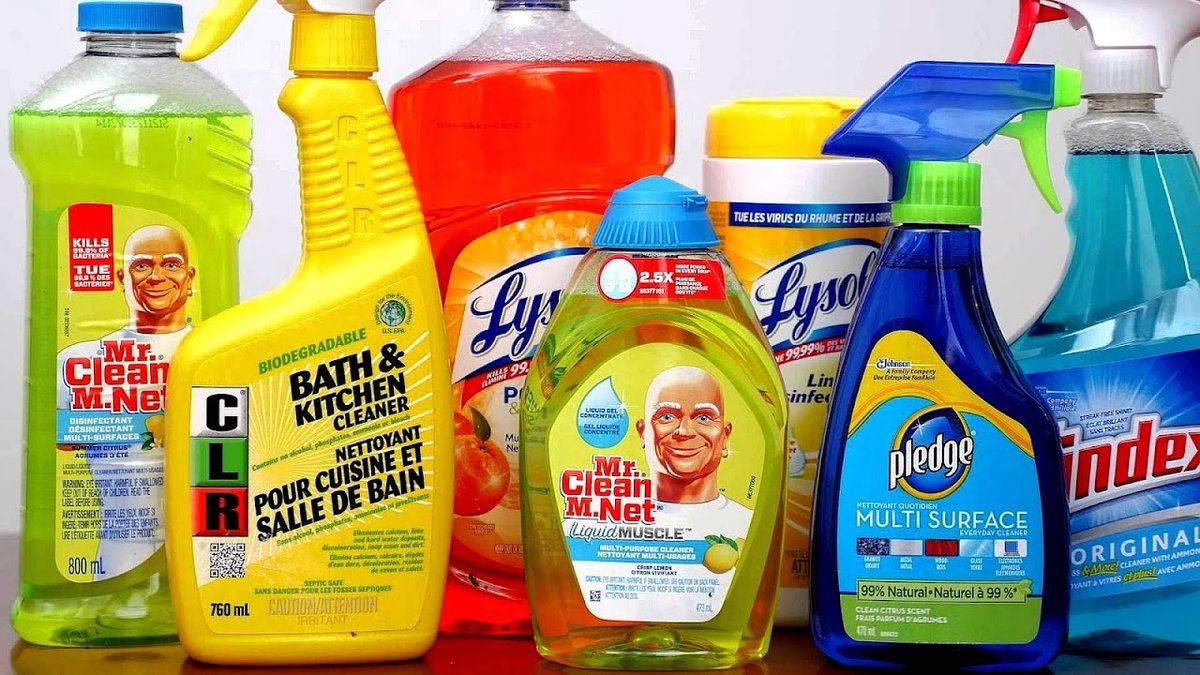
Imagine a detective story where a single, obscure cleaning product reveals a crucial clue, or a dystopian future where the last remaining pristine surface is maintained by a menacingly named chemical. In the rich tapestry of world-building, even the mundane can become magical. Naming fictional cleaning brands and products isn't just a trivial detail; it's an often-overlooked opportunity to infuse your narrative with deeper meaning, character, and believability. It’s about creating labels that resonate, whether they’re plastered on a retro bottle in a period piece or emblazoned on an advanced sanitation unit in a sci-fi epic.
At a Glance: Crafting Memorable Fictional Cleaners
- Beyond Surface-Level: Fictional cleaning names are world-building tools, revealing character, setting, and even plot points.
- Real-World Roots: Effective fictional names often borrow principles from successful real-world brands: clarity, relevance, and brand values.
- Spectrum of Styles: From straightforward to satirical, dystopian to eco-friendly, tailor names to your narrative's unique tone.
- Structured Brainstorming: Use a systematic approach, adapting real-world naming steps for your fictional universe.
- Context is King: The in-world purpose, user, and historical period profoundly influence the most effective name.
- Test for Resonance: Even in fiction, a name should sound right and contribute to immersion, not break it.
Why Fictional Cleaners Matter: Beyond Just a Label
A well-chosen name for a fictional cleaning product does more than just fill a background detail; it can quietly, efficiently tell your audience something profound about the world you've created. Think about the subtle clues packed into a brand name: Does "SparkleKleen 5000" suggest an optimistic future, or a satirical take on over-engineered solutions? Does a faded bottle of "GrimeGone" found in a post-apocalyptic bunker hint at a lost era of pristine living?
The global cleaning and hygiene products market, projected to grow at a healthy 6.5% CAGR from 2024 to 2030, thrives on consumer perception, brand recall, and the unspoken promises names like Lysol or Seventh Generation convey. These real-world drivers — health awareness, sustainability shifts, and a demand for efficacy — are fertile ground for inspiring your fictional creations. By understanding how real brands communicate their essence, you gain a powerful lens through which to design your fictional counterparts, making them feel genuinely part of their invented reality. Even if your cleaning product is only mentioned once, its name can carry significant narrative weight, helping you in fleshing out your fictional world.
The DNA of a Great Fictional Cleaning Name
Just like their real-world counterparts, fictional cleaning names draw strength from specific characteristics that make them effective. However, the definition of "effective" broadens significantly when your goal isn't just sales, but immersion, character development, or even a punchline.
Clarity & Recall: Memorable, Not Mundane
For real businesses, names like "Sparkle Clean" or "EcoMist" aim for instant understanding and memorability. In fiction, this translates to names that stick with the reader or viewer, adding texture without demanding too much cognitive load. A name that's easy to pronounce and remember contributes to the seamless flow of your narrative. However, sometimes a deliberately clunky or overly corporate name can be exactly the point, especially in satire or bureaucratic dystopias.
Relevance & Resonance: Speaking to the In-World Audience
A real cleaning brand's name needs to resonate with its target audience and reflect its core offering. "Seventh Generation" immediately signals eco-friendliness, while "Clorox" evokes power. For fictional brands, this means aligning the name with:
- Product Function: Does it clean windows? Floors? Spaceships?
- Setting & Era: Does "Victorian Polishing Elixir" fit your 19th-century novel, or "Hydro-Sanitizer XL" your cyberpunk saga?
- User Persona: Is it for a meticulous homemaker, an overworked janitor, or a corporate drone? The name might subtly hint at the nuances of your characters.
- Unique Selling Proposition (In-World): Is it super-fast? Biodegradable? Capable of dissolving anything?
Brand Values (or Their Absence): Subtext in a Bottle
Real brands like Lysol (power, reliability) or Seventh Generation (sustainability) communicate clear values. In fiction, you have the delicious freedom to play with this. A fictional cleaning product's name can:
- Echo Societal Ideals: "Purity Solutions" in a pristine, utopian society.
- Expose Dystopian Realities: "RegulationClean-V17" in a world where individuality is scrubbed away.
- Reveal Ironic Undertones: "Ever-Fresh Odor Eliminator" in a perpetually stinky environment.
- Highlight Character Traits: Perhaps your eccentric protagonist only uses "Madame Minerva's Mystic Mop-Wash."
Typologies of Fictional Cleaning Names: A Spectrum of Sparkle and Grime
The world of cleaning products offers a rich lexicon for inspiration, whether you're aiming for believability or satire. Here's how you can categorize and approach naming for various fictional contexts:
1. The Straightforward & Descriptive
These names tell you exactly what the product does, often with a hint of efficacy. They are common in real life for a reason: they work.
- Examples: SurfaceShine, PowerWash, GlassGleam, StainErase, FloorForce, LaundryLite.
- Fictional Application: Ideal for background realism, products meant to be universally understood, or in settings where directness is valued.
2. The Evocative & Poetic
Focus on the feeling or result rather than just the action. These names appeal to emotions.
- Examples: AuraClean, SerenityMist, WhisperFresh, LuminaShine, ZenithClean.
- Fictional Application: Great for luxury brands, products in fantasy settings, or those targeting an aspirational in-world consumer.
3. The Quirky & Humorous
Perfect for adding a touch of levity, character, or satirical bite. These often use puns, alliteration, or playful imagery.
- Examples: Grime Stopper, Sudsational, Bubble Trouble, The Mop Squad, Dust Bunnies Beware!
- Fictional Application: Excellent for comedies, children's stories, or to inject personality into a character’s preferences, perhaps even adding a touch of humor or satire.
4. The Dystopian & Clinical
These names often hint at manufactured efficacy, corporate control, or a world where organic comfort is scarce. They might sound sterile, scientific, or vaguely menacing.
- Examples: Unit-7 Cleanser, Bio-Purge, Eradicator-X, Synthetic Sanitizer, RegimenWash, The Disinfectant.
- Fictional Application: Essential for sci-fi dystopias, cyberpunk settings, or military/industrial contexts where efficiency trumps warmth.
5. The Natural & Eco-Conscious
Reflecting a growing real-world trend, these names emphasize ingredients or environmental benefits.
- Examples: EarthClean, GreenGlow, Nature's Nectar, Botanical Bright, PureHarvest Clean.
- Fictional Application: Ideal for stories with environmental themes, alternative history where natural living prevails, or even as ironic branding in a heavily polluted world.
6. The Hyper-Specific & Technical
Sometimes a product needs to sound highly specialized or scientific, especially in advanced settings.
- Examples: Anti-Gravitational Surface Polish, Xenomorphic Residue Remover, Quantum-Foam Decalcifier, Hyper-Molecular Dispersant.
- Fictional Application: Perfect for hard sci-fi, specialized industries (space travel, alien biology), or to highlight the complexity of a fictional technology. Consider science fiction naming conventions for inspiration.
Your Fictional Naming Workshop: A Step-by-Step Guide
Naming a fictional cleaning product might seem less daunting than naming a real business, but the principles of thoughtful creation remain. Here’s a structured approach to generate names that enhance your narrative:
Step 1: Define Your Fictional World & Its Needs
Before you even think of a name, understand its context.
- What kind of world is it? (Utopian, dystopian, steampunk, contemporary, fantasy?)
- What's the general level of technology? (Simple soaps, advanced nanobots?)
- Who is the target consumer within your story? (Average citizen, elite class, rebel faction?)
- What are the prevailing attitudes towards cleanliness, hygiene, or even waste? (Is it prized, neglected, or mandated?)
- What’s the story's overall tone? (Serious, comedic, gritty, whimsical?)
Step 2: Brainstorm Core Concepts & Keywords
Cast a wide net. Think about words associated with:
- Cleanliness: sparkle, shine, pure, fresh, pristine, sterile, polished, spotless, gleam, crystal.
- Actions: wash, scrub, wipe, spray, erase, dissolve, purify, sanitize, scour.
- Effects: bright, clear, new, vibrant, radiant, crisp.
- Ingredients (real or imagined): lemon, lavender, ozone, bio, aqua, quantum, chrono, synth.
- Antonyms (for contrast or irony): grime, dirt, stain, mess, sludge, muck.
- The Problem: What does it clean off? rust, soot, goo, residue, dust.
Step 3: Consider the In-World Context & Cultural Nuances
A name that works in a bustling metropolis might feel out of place in a pastoral fantasy village.
- Language & Origin: Are there specific linguistic quirks or cultural references in your world? Does it sound Germanic, Latin-based, or totally alien?
- Historical Echoes: Does the name invoke a past era (e.g., "Victorian Home Blend") or a future one (e.g., "Astro-Scrub")? This is crucial for building believable backdrops.
- Proprietary Feel: Does it sound like a mass-produced item or a bespoke, niche product?
Step 4: Play with Tropes and Subversion
Familiarity is a powerful tool. You can use common cleaning name tropes (words like "sparkle," "clean," "fresh") and:
- Embrace them: To create realistic, unremarkable background items.
- Twist them: "SparkleDoom" for a toxic cleaner, or "FreshAir Reclamation Unit" for a device that filters highly polluted air.
- Subvert them: A product named "The Great Eraser" might not just clean surfaces.
Step 5: Leverage Name Generators (for Inspiration)
While tailored names are best, sometimes a random generator can spark an unexpected idea. Think of them as a creative launchpad. If you're stuck, Try our random Bleach name generator might give you a surprising starting point. Other general business name generators can also be repurposed for fictional concepts. Just be prepared to heavily modify results to fit your specific fictional needs.
Step 6: The "Pronounce and Forget" Test
Say the name out loud.
- Is it easy to say? If your characters (or your readers) stumble over it, it might break immersion.
- Does it roll off the tongue?
- Does it sound like what it's supposed to be? Unless, of course, the awkwardness is deliberate and serves a purpose.
Step 7: Check "Availability" (in Your World)
You won't be trademarking this, but does it sound unique within your fictional universe? Does "CleanSweep" make sense if there are five other "Clean-" products? Avoid accidentally using a famous real-world brand name unless you intend a direct parody or homage.
Step 8: Get Fictional Feedback
Share your names with beta readers, writing partners, or your creative group.
- What's their first impression?
- Does it fit the world/character?
- Does it evoke the intended feeling?
- Is it memorable?
Mastering the Art of Fictional Brand Naming: Key Strategies & Pitfalls
Moving beyond the steps, here are some overarching strategies and common traps to avoid when crafting your fictional cleaning product names.
Key Strategies for Impactful Fictional Names
- Make it Easy to Pronounce and Remember (Unless You Have a Reason Not To): Generally, simple is better for audience retention. A complex name might work for a super-specialized, in-world industrial cleaner, but less so for a common household item.
- Reflect Purpose and Evoke Cleanliness (or its Absence): A good name hints at what it does or what it's supposed to do. "GrimeGuard" suggests protection, "RustRaze" hints at removal. For ironic names, "Cleanse-All" might be for a product that fails spectacularly.
- Keep it Short and Punchy: Short names are often more impactful and memorable. "WipeOut," "Zap!" or "ClearView" are quick and effective.
- Consider Your Fictional Audience and World: The "target market" for your in-world product dictates a lot. A primitive society might have "Ash & Grit Soap," while a futuristic one uses "PlasmaPurge."
- Use Alliteration, Rhyme, or Assonance: These literary devices make names catchy and pleasing to the ear: "Sudsational Solutions," "Minty Mist," "Crystal Clear."
- Leverage Mythology or Lore (if applicable): In fantasy, "Dragon's Breath Polish" could be a thing. In sci-fi, names could reference fictional scientists or discoveries.
Pitfalls to Avoid
- Generic Blah-ness: Names that are so bland they offer no personality or insight into your world. "Cleaner" or "Wash Stuff" just isn't cutting it.
- Unintentional Comedy (Unless Intended): Be careful with names that sound silly or gross unless humor is your goal. A product called "Slime-Away" might be funny, but "Pus-Off" probably isn't unless you're aiming for shock value.
- Breaking Immersion: A name that feels utterly anachronistic or out of place for your setting. A futuristic cleaning bot probably wouldn't be named "Mrs. Doubtfire's Dusting Doodad" unless it's a nostalgic brand.
- Overly Complex or Jargon-Filled: While technical names have their place, don't make them so convoluted that readers skip over them or get confused. Strive for cleverness, not obscurity.
- Too Close to Real-World Brands: Avoid names that are just one letter off from a famous brand, unless you are making a direct, obvious parody. This can be distracting or, in rare cases, legally problematic if your fiction becomes widely distributed.
Common Questions About Naming Fictional Cleaning Brands & Products
How do I make a dystopian cleaning product name sound convincing?
Focus on words that evoke control, sterility, chemical power, or the absence of natural elements. Think prefixes like "Synth-", "Bio-", "Omni-", "Aero-", or suffixes like "-Gen," "-Cide," "-Corp," "-Unit." Incorporate numbers or alphanumeric codes (e.g., "Purge-7," "Sanitizer-XL," "DirectiveClean"). Emphasize efficiency over comfort.
Should fictional cleaning names be funny?
It depends entirely on the tone of your narrative. In a comedy, a humorous name like "Grime Reaper" or "Dust Devil's Demise" can add great character. In a serious drama, such names would break immersion. Always align the humor with your story's overall mood.
What if I need a very specific, chemical-sounding name for a unique fictional substance?
Go for scientific-sounding prefixes and suffixes. Combine Latin or Greek roots (e.g., aqua, pyro, hydro, bio, chloro, ferri) with chemical-sounding endings (-ine, -ol, -ate, -ium, -ex, -zyme). You can also invent fictional elements or compounds, giving them a plausible sound (e.g., "Xylogen-Based Cleaner," "Dilithium Solvent").
How much detail should I give a fictional product name?
Balance detail with memorability. For a background item, a simple "All-Purpose Cleaner" might suffice. If the product is a plot device or significant to a character, more descriptive names ("Grandma's Secret Stain Remover," "The Oracle's Lumina-Wash") can add depth and intrigue. Don't overdo it with long, unwieldy names unless that's part of the product's in-world brand identity (e.g., a deliberately pretentious luxury cleaner).
The Future of Fictional Cleaners: Trends to Inspire
The real-world cleaning market is constantly evolving, driven by technological advancements and shifting consumer values. These trends provide a rich wellspring of inspiration for future fictional scenarios:
- Hyper-Specialization: Beyond floor cleaner, imagine "Microbiome-Balancing Surface Spray" or "Atmospheric Particulate Diffuser."
- AI-Driven & Autonomous Cleaning: Names that reflect intelligent agents: "Auto-Sanite Bot," "Sentient Scrub-Unit."
- Sustainable & Regenerative: Names that lean into closed-loop systems, waste reuse, or bio-augmentation: "Algae-Powered Cleanser," "ReClaim Solution."
- Health & Wellness Focus: Brands tied to mental well-being or advanced germ warfare: "SerenityClean," "Pathogen Purge 9000."
- Augmented Reality & Gamification: How would a cleaning product in an AR-rich world be named? Perhaps "QuestClean" or "Level-Up Lather."
By observing these real-world trajectories, you can craft fictional cleaning brands and products that feel not only plausible but also prescient, reflecting the anxieties and aspirations of your invented futures.
Your Next Step: Infusing Reality with Imagination
The art of naming fictional cleaning brands and products is an exercise in applied imagination, grounded in the realistic principles of branding. It's about bringing your world to life, one meticulously crafted detail at a time. Whether you're a novelist, a game designer, a screenwriter, or simply a creative storyteller, remember that every name is an opportunity. It's a chance to build character, enhance setting, foreshadow plot, or simply add a touch of authentic realism that makes your audience lean in and believe. So go forth, brainstorm, innovate, and make those fictional messes shine – or perhaps, make them notoriously hard to clean.